
)
- Tay bài sảnh tiềm năng dạng Double Gutshot
- Phần toán học ẩn phía sau: Tỷ lệ thắng và khả năng ăn lớn
- Vì sao bạn nên chơi chủ động: Cược gây áp lực nửa thật nửa giả trong poker
- Chơi ở vòng turn: Tiếp tục gây áp lực hay dừng lại?
- So sánh “belly buster” với tay bài OESD
- Mẹo chiến thuật theo từng vị trí trên bàn chơi
- Câu hỏi thường gặp về sảnh tiềm năng double gutshot
Poker là trò chơi của sự ngụy trang, và có rất ít hand vừa khó đoán vừa nguy hiểm như double gutshot straight draw. Trong các phòng poker, kiểu bài này thường được gọi bằng cái tên vui tai như “double belly buster”. Đây là một vũ khí bí mật mà những người chơi dày dạn kinh nghiệm cực kỳ yêu thích. Nếu một tay bài sảnh tiềm năng gutshot (còn thiếu lá bài ở giữa để hoàn thành sảnh) thông thường sẽ tạo cảm giác khá mong manh và khó trúng, thì tay bài sảnh tiềm năng double gutshot (bạn có hai lá khác nhau đều có thể hoàn thành sảnh) lại là một “quái vật xác suất” được ngụy trang dưới vẻ ngoài tưởng chừng bình thường.
Muốn hiểu vì sao kiểu bài này mạnh đến vậy, bạn cần thay đổi cách nhìn về cấu trúc bàn bài. Vấn đề không chỉ nằm ở những lá bạn đang cầm, mà còn ở các phép toán vô hình khiến đối thủ gần như không thể đọc chính xác phạm vi bài của bạn.
Tóm tắt nhanh:
“Double Gutshot” là kiểu bài chờ sảnh có hai khoảng trống ở giữa, cho bạn 8 lá có thể hoàn thành sảnh. Xác suất tương đương với tay bài sảnh tiềm năng đang thiếu 2 lá bài đầu - cuối (được gọi tắt là OESD).
Khác với tay bài sảnh tiềm năng OESD rất dễ lộ, kiểu bài này được che giấu cực tốt, nên khi hoàn thành sảnh, bạn thường thắng được rất nhiều chip.
Xác suất hoàn thành ở vòng turn là khoảng 16%, và khoảng 32% tính tới vòng river.
Hãy ưu tiên chơi theo hướng cược gây áp lực (semi-buff: cược nửa giả nửa thật). Bạn vừa có khả năng khiến đối thủ bỏ bài, vừa có “bảo hiểm” mạnh nếu bị call cược.
Tay bài sảnh tiềm năng dạng Double Gutshot là gì?
Nói đơn giản, tay bài sảnh tiềm năng dạng double gutshot là kiểu bài mà bạn có hai khoảng trống khác nhau ở giữa chuỗi bài, và chỉ cần điền một trong hai khoảng đó là hoàn thành sảnh. Khác với tay bài sảnh tiềm năng đang thiếu 2 lá bài đầu - cuối (OESD), nơi bạn cần một lá ở một trong hai đầu của chuỗi bốn lá liên tiếp (ví dụ bạn có 8-9 trên bàn chơi có 6-7-x), double gutshot có cấu trúc không liền mạch.
Ví dụ: Bạn có J9 và bài chung là 107Q . Nếu ra K, bạn sẽ có sảnh (9-10-J-Q-K). Nếu ra 8, bạn sẽ có sảnh (7-8-9-10-J). Điều đó nghĩa là bạn có tổng cộng 8 lá giúp hoàn thành sảnh, đúng bằng số lá của bài OESD. Tuy nhiên, điểm khác biệt cực lớn nằm ở chỗ: bài của bạn rất khó bị đọc ra. Trong mắt người chơi bình thường, bạn chỉ giống như đang cầm một tay bài yếu với lá J cao. Nhưng với người chơi giỏi, đây là một “con quái vật trá hình”.
Mẹo nhỏ: Bài double gutshot sẽ mạnh nhất khi nó có thể tạo thành sảnh lớn nhất có thể trên bàn.
Phần toán học ẩn phía sau: Tỷ lệ thắng và khả năng ăn lớn
Sức mạnh thật sự của tay bài sảnh tiềm năng double gutshot nằm ở “giá trị ẩn”. Vì các lá bài giúp bạn hoàn thành sảnh không quá rõ ràng như tay bài OESD, khả năng ăn được nhiều chip khi trúng bài sẽ tăng mạnh. Khi sảnh xuất hiện, đối thủ thường rất khó bỏ những bài mạnh như đôi bài cao, bởi họ không hề nghĩ rằng bạn đang chờ tay bài sảnh.
Về mặt xác suất, bạn có khoảng 16% cơ hội hoàn thành bài ở vòng turn và khoảng 32% cơ hội hoàn thành tính tới vòng river. Khi kết hợp với tỷ lệ pot odds (tỷ lệ tiền trong pot), những tay bài này thường đủ tốt để tiếp tục chơi. Nhưng giá trị lớn nhất của chúng lại nằm ở khả năng dùng để cược gây áp lực nửa thật nửa giả.
Vì sao bạn nên chơi chủ động: Cược gây áp lực nửa thật nửa giả trong poker
Nếu bạn chỉ chơi tay bài tiềm năng theo cách thụ động, tức là bạn đang bỏ tiền lại trên bàn. Cược gây áp lực nửa thật nửa giả chính là động cơ vận hành một chiến lược poker chiến thắng. Khi bạn cược hoặc tăng cược nếu có double gutshot, bạn tự tạo cho mình hai cách để thắng pot:
Khả năng khiến đối thủ bỏ bài: Đối thủ có thể bỏ ngay cả những bài mạnh hơn, ví dụ một đôi bài yếu.
Khả năng thắng nhờ bài thực tế: Bạn hoàn thành một trong tám lá bài chờ ở các vòng sau và thắng một pot rất lớn.
Điều này đặc biệt hiệu quả khi bạn có lợi thế về vị trí. Nếu bạn đang ở vị trí cuối bàn và người chủ động tăng cược ở vòng trước flop lại check (nhường lượt) trên một bàn chơi mà các lá bài có tính rời rạc, thì một cú cược với tay bài sảnh tiềm năng double gutshot sẽ đẩy họ vào tình thế cực kỳ khó xử. Họ không thể thoải mái call cược khi chỉ có Át cao. Ngay cả khi đang có một đôi bài nhỏ, họ cũng sẽ lo sợ những lá bài nguy hiểm có thể xuất hiện ở vòng tiếp theo.
Chơi ở vòng turn: Tiếp tục gây áp lực hay dừng lại?
Nếu bạn đã cược ở vòng flop và bị call, thì lá bài tiếp theo sẽ quyết định nước đi tiếp theo của bạn. Nếu lá đó là một “lá rác” không giúp bạn cũng không có vẻ giúp đối thủ, bạn cần tự hỏi liệu đối thủ có phải kiểu người rất lì và dễ call hay không.
Tiếp tục gây áp lực: Nếu lá tiếp theo sẽ hoàn thành những tay bài chờ khác hoặc là lá bài lớn hơn các lá bài khác trên bàn như Át hay K, thì việc tiếp tục cược lần thứ hai thường là lựa chọn tối ưu.
Lấy lá bài miễn phí: Nếu bạn có lợi thế vị trí và đối thủ tiếp tục check, bạn cũng có thể chọn check. Cách chơi này giúp bạn giữ nguyên cơ hội thắng mà không phải bỏ thêm chip, đồng thời đảm bảo được vào vòng river mà không tốn thêm chip.
So sánh “belly buster” với tay bài OESD
Dù cả hai loại bài đều có 8 lá giúp hoàn thành sảnh, tay bài sảnh tiềm năng double gutshot được xem là nguy hiểm hơn trong các bàn cược lớn. Khi bàn chơi có 6-7-8 và lá 9 hoặc 5 xuất hiện, gần như mọi người trên bàn đều lập tức nhận ra có sảnh. Nó quá rõ ràng. Quá dễ thấy. Và chính điều đó khiến bạn khó được trả thêm tiền khi hoàn thành bài.
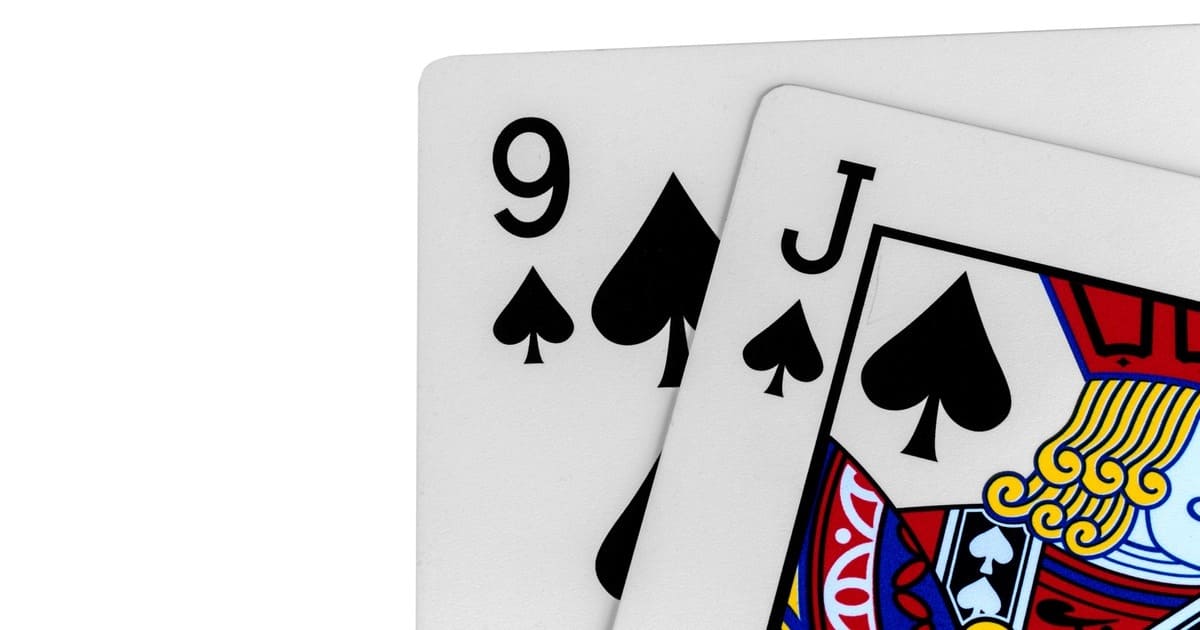
Ngược lại, khi bạn cầm J-9 trên bàn chơi có Q-8-6 và lá 10 xuất hiện, mọi thứ kín đáo hơn nhiều. Bạn đã hoàn thành sảnh bằng một khoảng trống không hề dễ nhận ra. Chính sự “ngụy trang” này giúp bạn lấy được tối đa giá trị từ đối thủ, những người vẫn tin rằng đôi K của họ đang là bài mạnh nhất.
Mẹo chiến thuật theo từng vị trí trên bàn chơi
Khi không có lợi thế vị trí: Hãy cẩn thận. Đừng ném cả chồng chip chỉ để cố theo đuổi tay bài tiềm năng.
Nếu bạn ở vị trí small blind, đôi khi cách chơi tốt hơn là check-call hoặc thậm chí check-tăng cược nếu bạn nghĩ đối thủ đang cược quá rộng và có tay bài yếu.
Khi có lợi thế vị trí: Đây chính là “sân chơi” của bạn. Hãy tận dụng lợi thế hành động sau để kiểm soát giá của ván bài. Bạn có thể cược để tạo áp lực khiến đối thủ bỏ bài, hoặc check để vào vòng river với chi phí rẻ hơn.
Câu hỏi thường gặp về sảnh tiềm năng double gutshot
Điểm khác nhau giữa gutshot và double gutshot là gì?
Một tay bài gutshot thông thường chỉ có 4 lá giúp hoàn thành sảnh. Ví dụ: bạn cầm 7-9 trên bàn 5-8-K và cần lá 6 để tạo sảnh. Trong khi đó, double gutshot có hai khoảng trống khác nhau có thể hoàn thành sảnh, nên tổng cộng có tới 8 lá giúp bạn thắng bài. Về mặt xác suất, nó tương đương tay bài OESD, nhưng khó bị đối thủ phát hiện hơn rất nhiều.
Làm sao tính xác suất hoàn thành tay bài sảnh tiềm năng double gutshot?
Bạn có thể dùng “Quy tắc Hai và Bốn”. Với 8 lá giúp hoàn thành bài, bạn có khoảng 8 × 2 = 16% cơ hội hoàn thành ở vòng turn. Nếu đang ở vòng flop và tính tới vòng river, xác suất sẽ khoảng 8 × 4 = 32%. Những tỷ lệ này giúp bạn so sánh khả năng thắng bài với kích thước hiện tại của pot để xem việc call có lợi nhuận hay không.
Vì sao nó được gọi là “double belly buster”?
“Belly buster” đơn giản là tiếng lóng poker kiểu cũ để chỉ tay bài sảnh tiềm năng thiếu lá bài ở giữa. Vì cấu trúc bài này có hai “khoảng trống” khác nhau có thể lấp đầy để tạo thành sảnh, nên cái tên “double belly buster” trở thành cách gọi phổ biến cho kiểu bài tiềm năng kín đáo có 8 lá hoàn thành sảnh.
Có phải lúc nào cũng nên cược gây áp lực nửa thật nửa giả khi có tay bài double gutshot không?
Không phải lúc nào cũng vậy, nhưng đây nên là một phần thường xuyên trong kho chiến thuật của bạn. Kiểu cược nửa thật nửa giả này hiệu quả nhất khi đối thủ có khả năng bỏ bài. Nếu bạn đối đầu với kiểu người gần như không bao giờ bỏ bất kỳ đôi nào, thì thường tốt hơn nên chơi thận trọng và chỉ cược mạnh khi đã hoàn thành sảnh.
Double gutshot có mạnh hơn bài OESD không?
Xét riêng về xác suất thì chúng giống hệt nhau, vì cả hai đều có 8 lá giúp hoàn thành bài. Tuy nhiên, xét về mặt chiến thuật, bài double gutshot thường mạnh hơn vì nó được che giấu tốt hơn. Bài OESD rất dễ bị mọi người nhận ra, còn double gutshot thường khiến bàn bài trông như chẳng có gì nguy hiểm. Điều đó giúp bạn dễ được đối thủ trả thêm tiền hơn khi hoàn thành sảnh.
“Khả năng ăn thêm tiền về sau” nghĩa là gì trong trường hợp này?
Đó là số tiền bạn kỳ vọng sẽ thắng thêm ở các vòng cược sau nếu hoàn thành bài tiềm năng. Vì bài double gutshot rất khó bị phát hiện, nên khả năng ăn thêm tiền thường rất cao. Đối thủ dễ call những cược lớn ở vòng river vì họ không hề nhận ra rằng khả năng có sảnh đã tồn tại từ trước.
)
Shane C
Shane is a content writer with over 10 years of writing experience. He specializes in poker and casino games and has been chasing the ultimate poker dream and the excitement of hero calls for the last 15 years! Admittedly, he has yet to win any APT nor WSOP title, but he's not giving up!
)
)
)
)
)
)
)