
)
- Liệu cảm giác đau đớn có thật sự giúp bạn chơi poker tốt hơn?
- Cảm giác khó chịu giúp lộ ra những lỗ hổng trong chiến thuật như thế nào?
- Xây dựng sự lì lợm tinh thần qua những giai đoạn biến động dữ dội
- Vì sao việc xem lại những ván thua đau nhất là điều bắt buộc?
- Biến thất bại thành công cụ phát triển chiến thuật dài hạn
- Câu hỏi thường gặp: Đối mặt với mặt cảm xúc của poker
Cảm giác đau đớn sau một pot thua cuộc thường không chỉ là mất tiền; nó còn nhắc chúng ta rằng bản thân vẫn rất mong manh và dễ tổn thương. Phần lớn người chơi poker dành cả sự nghiệp để chạy trốn khỏi cảm giác khó chịu đó, tuyệt vọng tìm kiếm sự an toàn tê liệt mà những chuỗi thắng mang lại.
Nhưng sự thật lạnh lùng trên bàn poker là thế này: nếu bạn không cảm thấy nhức nhối sau một buổi chơi khắc nghiệt, có lẽ bạn cũng chẳng thật sự tiến bộ.
Trong thế giới Texas Hold’em và Omaha, những biến động cảm xúc dữ dội không đơn thuần là sản phẩm phụ của trò chơi. Chúng chính là nguyên liệu thô tạo nên sự xuất sắc.
Liệu cảm giác đau đớn có thật sự giúp bạn chơi poker tốt hơn?
Sự phát triển hiếm khi xuất hiện trong những ngày bài chạy như mơ. Khi mọi lá bài đều đứng về phía bạn và mọi cú cược nửa thật nửa giả đều thành công, cái tôi của bạn sẽ phình to lên, che lấp những lỗ hổng kỹ thuật trong cách xây dựng chiến thuật.
Chỉ khi trải qua một chuỗi thua kéo dài tới mức nghiền nát tinh thần, chúng ta mới buộc phải nhìn thẳng vào chính mình. Sự khó chịu ấy giống như một công cụ chẩn đoán, một đèn đỏ nhấp nháy trên bảng điều khiển chiến thuật, hét lên rằng: “Có thứ gì đó đang sai.”
Với những người chơi poker hàng đầu, mục tiêu không phải biến bản thân thành cỗ máy vô cảm. Điều họ hướng tới là nâng ngưỡng chịu đựng nỗi đau lên cao hơn, để một cú thua ngược đau đớn không phá hỏng cả tuần của mình.
Hãy nghĩ về nó như việc tập thể hình. Một người nâng tạ phải làm rách các sợi cơ thì cơ bắp mới phát triển mạnh hơn. Người chơi poker cũng vậy: họ phải chịu đựng ma sát của sự biến động may rủi để tạo ra “lớp chai lì” về tinh thần. Nếu không có sự va đập đó, “cơ bắp chiến thuật” của bạn sẽ mãi mềm yếu và chưa từng được kiểm chứng.
Cảm giác khó chịu giúp lộ ra những lỗ hổng trong chiến thuật như thế nào?
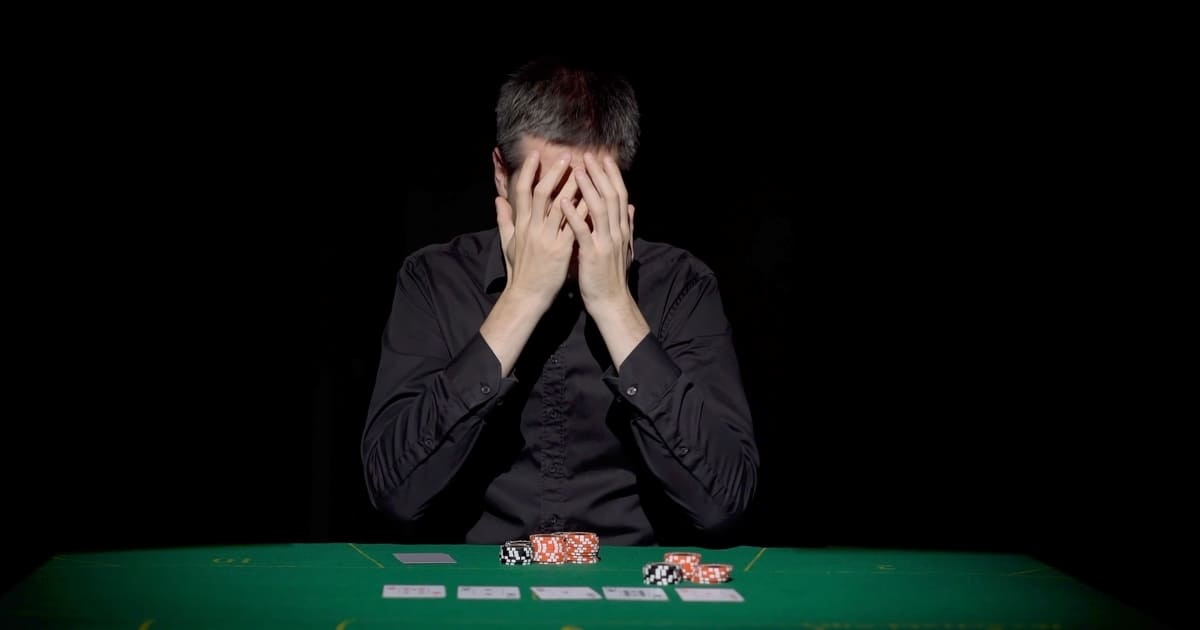
Mỗi lần bạn cảm thấy dạ dày thắt lại sau một cú thua nặng, não bộ thực chất đang đánh dấu đó là một khoảnh khắc cực kỳ quan trọng. Cảm giác đau đớn ấy là tín hiệu sinh học được tạo ra để ngăn chúng ta lặp lại sai lầm trong tương lai. Trong khi cuộc sống hằng ngày chỉ xoay quanh những việc bình thường như đi chợ hay di chuyển đi làm, bàn poker lại đòi hỏi mức độ tập trung về tư duy và cảm xúc cao hơn rất nhiều.
Khi một ván thua khiến bạn đau, thường là vì sâu thẳm bên trong, bạn biết mình đã đưa ra lựa chọn chưa tối ưu. Có thể bạn đã chơi quá mạnh với một hand trung bình trong một pot quá lớn. Hoặc cũng có thể bạn phớt lờ tín hiệu nên bỏ bài chỉ vì nghĩ rằng “đến lúc mình phải thắng rồi”. Thay vì trốn tránh cảm giác khó chịu đó, hãy đối diện với nó. Làm được điều này sẽ giúp bạn:
Nhận ra tác nhân khiến mình mất kiểm soát: Biết chính xác tình huống nào dễ khiến bạn chơi cảm tính.
Tăng tính kỷ luật: Dùng ký ức về “vết bỏng” đó để tránh lặp lại sai lầm cũ.
Hoàn thiện phạm vi bài: Những ván thua đau nhất thường xuất hiện ở ranh giới hiểu biết của chúng ta, nơi cái gọi là “trực giác” thật ra chỉ là phỏng đoán.
Xây dựng sự lì lợm tinh thần qua những giai đoạn biến động dữ dội
Khác biệt giữa một người chơi chuyên nghiệp và một người chơi giải trí thường nằm ở khả năng chịu đựng sự biến động may rủi. Poker là trò chơi của những khoảng cách cực nhỏ và những cú xoay chuyển tàn nhẫn. Bạn có thể chơi hoàn hảo nhưng vẫn thua liên tiếp suốt cả tháng.
Chính lúc đó, sức nặng cảm xúc của trò chơi sẽ biến thành lò rèn tinh thần. Nếu bạn có thể vượt qua chuỗi thua mà không phá vỡ chiến thuật nền tảng, không trút giận lên gia đình hay những người xung quanh, thì bạn đã sở hữu một lợi thế cạnh tranh mà không phần mềm tính toán nào có thể dạy được.
Sự lì lợm không phải là giả vờ không đau. Nó là khả năng thừa nhận cảm giác đau đó nhưng vẫn chọn quyết định có lợi nhuận về lâu dài. Theo thời gian, những phản ứng cảm xúc dữ dội sẽ dần ổn định lại. Bạn bắt đầu nhìn một lần mất cả chồng chip không còn như thất bại cá nhân, mà giống một khoản chi phí kinh doanh bình thường của nghề chơi poker.
Vì sao việc xem lại những ván thua đau nhất là điều bắt buộc?
Sai lầm phổ biến nhất của những người chơi thua lâu dài là tắt bàn ngay sau khi mất một pot lớn. Họ chỉ muốn chạy khỏi cảm giác đau đó càng nhanh càng tốt. Nhưng trớ trêu thay, những dữ liệu giá trị nhất lại nằm chính trong các buổi chơi “thảm họa” ấy.
Khi ngồi xuống xem lại một ván khiến bạn mất hai lần buy-in, bạn không chỉ đang tính toán chiến thuật. Bạn đang kiểm tra toàn bộ quá trình ra quyết định dưới áp lực. Bạn bỏ bài vì thật sự thua, hay chỉ vì sợ hãi? Bạn call cược vì có lý do hợp lý, hay chỉ vì đang tức giận? Bạn tăng cược thêm vì chiến thuật đúng, hay vì muốn gỡ gạc? Khi rút ra được những bài học này và đưa chúng vào cách chơi, chiến thuật của bạn sẽ trở nên ổn định hơn rất nhiều.
Bạn sẽ không còn là kiểu người “chơi hay khi đang thắng”, mà trở thành kiểu người “chơi tốt bất kể kết quả ra sao”.
Biến thất bại thành công cụ phát triển chiến thuật dài hạn
Cuối cùng, những người thống trị các bàn cược lớn thường là những người đã trải qua nhiều lần “cái tôi sụp đổ” nhất. Mỗi lần thua, bạn luôn có hai lựa chọn: Đổ lỗi cho người chia bài, cho vận may, cho số phận, hoặc biến năng lượng đó thành động lực để học và cải thiện nhiều hơn. Khoảnh khắc chuyển từ tâm thế nạn nhân sang tinh thần chịu trách nhiệm chính là dấu hiệu rõ nhất của tư duy chiến thắng.
Ngưỡng chịu đựng nỗi đau của bạn cũng sẽ tăng dần theo thời gian khi liên tục đối mặt với áp lực của trò chơi. Rồi sẽ đến lúc những biến động từng đủ sức phá hỏng cả ngày của bạn chỉ còn như một gợn sóng nhỏ. Bạn bắt đầu tìm thấy sự bình tĩnh ngay giữa hỗn loạn, bởi bạn hiểu rằng nếu quá trình ra quyết định vẫn đúng, kết quả tốt cuối cùng sẽ đến. Nỗi đau chưa bao giờ là kẻ thù. Nó là chiếc la bàn đang chỉ bạn tới bước đột phá tiếp theo.
Câu hỏi thường gặp: Đối mặt với mặt cảm xúc của poker
Vì sao cảm giác thua đau hơn cảm giác thắng vui?
Đây là một hiện tượng tâm lý gọi là “ác cảm với mất mát”. Về bản năng sinh tồn, con người được lập trình để ưu tiên tránh nguy hiểm hơn là tìm kiếm phần thưởng. Trong poker, mất 500 đô thường tạo cảm giác nặng nề gấp nhiều lần so với niềm vui khi thắng 500 đô. Khi nhận ra thiên hướng tâm lý này, bạn sẽ dễ tách giá trị bản thân ra khỏi kết quả thắng thua ngắn hạn hơn.
Làm sao biết cảm giác đau đến từ xui xẻo hay do chơi sai?
Cách duy nhất để phân biệt là phân tích một cách khách quan. Hãy dùng phần mềm thống kê hoặc trao đổi bài với nhóm chơi đáng tin cậy. Nếu các phép tính và chiến thuật đều ủng hộ quyết định của bạn, đó chỉ là biến động may rủi. Ngược lại, nếu phân tích cho thấy bạn chơi sai, thì cảm giác khó chịu đó chính là tín hiệu hợp lý cho thấy chiến thuật của bạn cần điều chỉnh.
Nên làm gì ngay sau một buổi chơi cực kỳ tệ?
Hãy rời khỏi bàn chơi. Đừng cố “gỡ lại” ngay lập tức, vì đó là lúc bạn dễ chơi theo cảm xúc nhất. Hãy quay lại các hoạt động bình thường hằng ngày, vận động cơ thể hoặc ngủ một giấc. Khi nhịp tim và cảm xúc đã ổn định trở lại, hãy xem lại lịch sử các ván bài bằng một cái đầu tỉnh táo hơn.
Có phải ai chơi poker cũng cảm thấy áp lực cảm xúc này không?
Có. Ngay cả những người chơi hàng đầu thế giới cũng cảm nhận được điều đó. Khác biệt nằm ở cách họ xử lý nó. Người mới thường để cảm xúc quyết định hành động tiếp theo, dẫn tới mất kiểm soát. Trong khi đó, người chơi chuyên nghiệp thừa nhận sự khó chịu nhưng vẫn bám sát chiến thuật đã chuẩn bị sẵn, không để cảm xúc lấn át lý trí.
Tăng khả năng chịu đựng áp lực giúp cải thiện tỷ lệ thắng như thế nào?
Khi chịu đựng áp lực tốt hơn, bạn có thể duy trì trạng thái chơi tốt lâu hơn. Lúc đối thủ bắt đầu mất bình tĩnh, chơi sai vì căng thẳng hoặc tức giận, bạn vẫn giữ được sự ổn định. Việc duy trì phong độ cao trong khi người khác sụp đổ về cảm xúc sẽ giúp bạn tự nhiên kiếm được phần lợi nhuận lớn hơn về lâu dài.
Liệu quá nhiều áp lực cảm xúc có thể gây hại cho sự nghiệp poker không?
Chắc chắn là có. Nếu áp lực từ trò chơi bắt đầu ảnh hưởng tiêu cực tới sức khỏe tinh thần hoặc cuộc sống bên ngoài poker, đã đến lúc bạn nên xuống mức cược thấp hơn. Bạn chỉ nên chơi ở mức mà mình có thể chịu được cả về tiền bạc lẫn cảm xúc. Tìm được giới hạn phù hợp chính là chìa khóa để gắn bó lâu dài với trò chơi này.
)
Shane C
Shane is a content writer with over 10 years of writing experience. He specializes in poker and casino games and has been chasing the ultimate poker dream and the excitement of hero calls for the last 15 years! Admittedly, he has yet to win any APT nor WSOP title, but he's not giving up!
)
)
)
)
)
)
)